
A ray of hope for fighting sleeping sickness
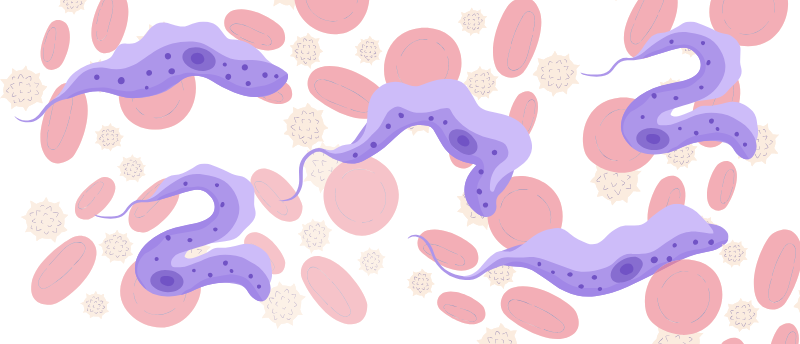
Acoziborole, a new single-dose treatment for sleeping sickness, has received approval from the European Medicines Agency (EMA; Amsterdam, Netherlands).
On February 27, the EMA’s Committee for Medicinal Products for Human Use (CHMP) recommended the approval of acoziborole as a three-tablet, single-dose treatment for both early- and advanced-stage sleeping sickness in adults and adolescents aged 12 years and older. The decision marks significant progress in the fight against sleeping sickness, a neglected tropical disease that predominantly affects rural areas of sub-Saharan Africa, particularly the Democratic Republic of Congo. Unlike traditional treatments requiring lengthy hospital stays, acoziborole is administered as a single dose of three pills, a major benefit for accessibility in remote regions.
Sleeping sickness, or human African trypanosomiasis, is caused by two parasite subspecies, Trypanosoma brucei gambiense and Trypanosoma brucei rhodesiense, transmitted through infected tsetse fly bites. Early symptoms mimic the flu, but as the disease progresses, it invades the brain, leading to confusion, severe personality changes and fatal outcomes if untreated. Its name is owed to the reversed sleep-wake cycle it causes, with infected individuals experiencing severe insomnia at night and extreme sleepiness in the day.
You may also be interested in:
- Fighting malaria one antibody at a time
- FDA rejects Moderna’s filing for mRNA-1010 flu vaccine
- Panel discussion: Flow cytometry in bioanalysis
The current treatment landscape is lacking. Historically, and for almost 60 years, melarsoprol, a derivative of arsenic, was the only treatment option with such severe side effects that it killed 5–10% of patients [1]. Existing medicines are an improvement, but require lengthy courses of oral medicine or injections, are painful, or require invasive procedures such as spinal taps. Acoziborole on the other hand, treats both early and advanced stages of the disease, eliminating the need for spinal taps and extended hospital stays.
The drug’s approval follows a 2023 Phase II/III study involving 200 patients in Congo and Guinea, where over 95% were cured within 18 months [2]. Sanofi (Paris, France), who co-developed the medicine with the Drugs for Neglected Diseases initiative (Geneva, Switzerland), has pledged to donate the drug to the World Health Organization (Geneva, Switzerland), ensuring it remains free for patients. With the World Health Organization’s aim to eradicate the disease by 2030, acoziborole’s approval is a critical step toward achieving this goal.
“In just 20 years, we have gone from complicated treatments including arsenic derivatives with serious side effects, to today, when a single-dose, one-day therapy could safely cure patients,” commented Luis Pizarro, Executive Director at the Drugs for Neglected Diseases initiative.
“This progress is testament to the transformative power of collaborative science and will bring us closer to finally eliminating sleeping sickness, a disease that has killed millions on the African continent in the past century.”