A single test for multiple diseases
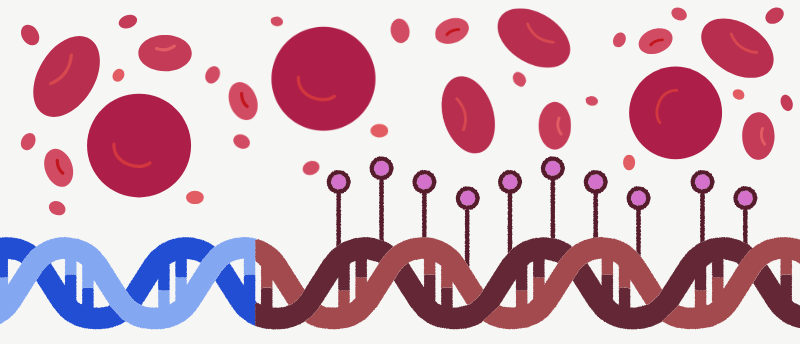
By analyzing cell-free DNA, the new approach not only identifies early signs of illness but also pinpoints the tissue of origin, providing a more comprehensive picture of health.
Researchers at UCLA (CA, USA) have developed a new blood test called MethylScan that can detect multiple cancers and other diseases from a single sample. Published in Proceedings of the National Academy of Sciences, the study demonstrates how analyzing cell-free DNA (cfDNA), tiny fragments released into body fluids when cells die, can reveal early signs of illness across the body. The test aims to improve early detection of various conditions while reducing the cost and complexity of health monitoring.
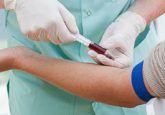
Early detection is critical in cancer care, with survival rates significantly higher when disease is caught in the initial stages before spreading. Liquid biopsies, minimally invasive blood or fluid tests, are a common approach for detecting diseases such as cancer, as they provide a swifter and lower-risk alternative to traditional tissue biopsies. With rapid technological advancements, cfDNA is becoming increasingly important as an analyte in liquid biopsies, carrying molecular signals from multiple organs, and offering information on tumor diagnosis, disease progression and treatment response.
“Every day, 50 to 70 billion cells in our body die. They don’t just disappear, their DNA goes into the bloodstream,” explained Dr Jasmine Zhou, a Professor of Pathology and Laboratory Medicine and Investigator at the UCLA Health Jonsson Comprehensive Cancer Center. “That means we already have information from all our organs circulating in the blood.”
You may also be interested in:
- Ask the Experts: quantifying translational biomarkers
- Microscopic fiber sensors for real-time cancer detection
- Novel liquid biopsy test enhances early cancer detection with high accuracy
Rather than analyze mutations like in a traditional liquid biopsy, MethylScan takes a slightly different approach by analyzing DNA methylation: a critical epigenetic process that can act as a sensitive biomarker of tissue health. By creating a genome-wide hybridization panel to filter out background unmethylated DNA from blood cells, researchers were able to enhance the detection of disease-related signals.
The team then tested the accuracy of MethylScan in trials involving 1,061 participants who were either healthy or affected by various diseases including hepatitis B, lung, ovarian and stomach cancers, using machine learning to help interpret patterns in methylation data.
The test detected 63% of cancers across all stages and 55% at early stages, with high specificity (98%). It also identified nearly 80% of liver cancer cases in high-risk patients and distinguished between liver disease types, such as viral hepatitis and metabolic-associated liver disease, with around 85% accuracy.
In addition to detecting cancer, the methylation patterns also revealed the tissue of origin by identifying where in the body the signal began.
“Being able to trace signals back to their source is important because a positive blood test needs to be followed by imaging or other diagnostic procedures directed at the right organ,” commented Dr Wenyuan Li, a Professor of Pathology and Laboratory Medicine at UCLA.
While further testing is needed in larger trials, the team believes MethylScan could transform early detection and routine health monitoring worldwide, providing a more comprehensive and affordable diagnostic tool for multiple diseases.
“This study demonstrates that blood-based methylation profiling can deliver clinically meaningful information across multiple diseases,” concluded Zhou. “It’s an exciting advancement that brings us closer to realizing the dream of a single assay for universal disease detection.”