New DNA system strikes cancer with precision
A new molecular system targets and destroys cancer cells while sparing healthy tissue, marking a leap toward programmable medicine.
Researchers at the University of Geneva (UNIGE; Switzerland) have developed DNA–drug conjugates that can identify and eliminate cancer cells with remarkable precision. Published in Nature Biotechnology, the study demonstrates how synthetic DNA strands can deliver drugs only where needed, addressing a longstanding challenge in oncology: targeting tumors without harming healthy cells.
Traditional cancer treatments like chemotherapy often damage healthy tissue, causing severe side effects. While antibody–drug conjugates provide a highly targeted method for delivering cytotoxic agents to cells that express specific biomarkers, they remain limited by size, tumor tissue penetration and payload capacity. The need for more selective, efficient therapies has driven researchers to explore alternative delivery systems. One such promising avenue is DNA circuitry and DNA–protein conjugates, which enable the programmable combination of molecular inputs and enhanced signal amplification through hybridization chain reactions.
You may also be interested in:
- Overcoming challenges for preclinical bioanalysis of ADC therapeutics
- Microscopic fiber sensors for real-time cancer detection
- The future of cancer vaccine research turns precise and personalized
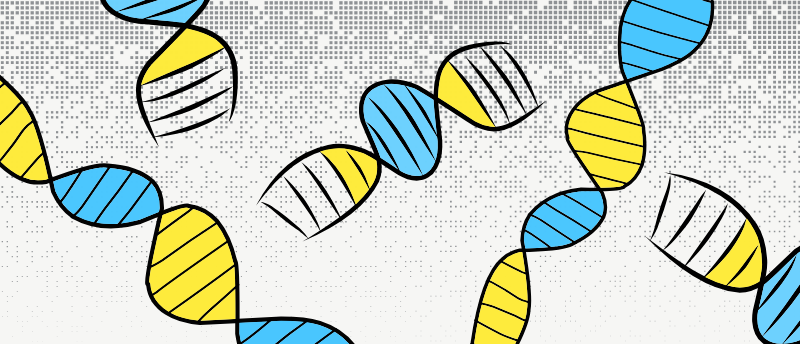
The UNIGE team designed small DNA strands carrying different components: two cancer-targeting binders and a cytotoxic drug. These elements assemble only when two specific cancer cell-surface biomarkers are present, triggering a hybridization chain reaction similar to a dual-authentication process. This “AND logic” ensures the drug activates exclusively at tumor sites.
Laboratory tests showed that the system accurately identified cancer cells and released potent drugs without harming nearby healthy tissue. It also demonstrated the ability to deliver multiple therapies simultaneously, potentially overcoming drug resistance.
This innovation introduces drugs capable of basic “computation”, responding intelligently to biological signals. Future developments could expand these molecular logic systems and drive progression within precision medicine, enabling programmable treatments with tailored combinations of biomarker inputs for individual patients.