Real-time liquid biopsy study aims to transform cancer treatment monitoring
Vortex has launched a major clinical study to test whether its live-cell liquid biopsy can transform how treatment response is monitored in real time.
Vortex Liquid Biopsy Solutions (Manchester, UK) announced a new clinical study beginning in Q4 2025 with The Doctors Laboratory (TDL) Trials (London, UK) to evaluate how its proprietary technology isolates and analyzes live circulating tumor cells from blood samples, and whether this could offer clinicians faster, more detailed characterization of biomarkers to inform cancer treatment response.
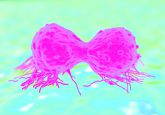
Traditional tumor biopsies usually involve surgical removal, which is invasive, unsuitable for certain patients and offers only moment-in-time snapshots. As cancers evolve quickly, clinicians often lack real-time feedback on whether therapies are working. Live-cell liquid biopsies like Vortex’s platform aim to close this gap by providing continuous, minimally invasive monitoring. The technology captures intact cancer cells within ~1 hour, preserving their natural state for deeper analysis while facilitating earlier detection of therapeutic resistance.
“Cancer is a leading cause of death worldwide and while treatments have advanced significantly, clinicians still need better ways to track how the disease is responding in real time,” explained Dr Paul Reeves, Managing Director of Vortex. “This study is an important step in showing how live circulating tumor cells can give doctors that insight, helping to refine treatment choices and improve outcomes for patients.”
You may also be interested in:
- Novel liquid biopsy test enhances early cancer detection with high accuracy
- First void urine: revolutionizing potential non-invasive biomarker collection for clinical diagnostics
- Metabolomics and microbiomics: dietary and environmental factors in cancer
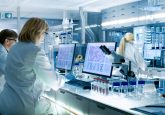
The study will span multiple cancer types, including breast and lung, at TDL’s advanced London facilities. Artificial intelligence partner AxonDx (VA, USA) will support the project by analyzing captured cells with machine-learning tools designed to interpret tumor behavior, biomarkers and emerging resistance.
Dr Nigel Bookes, non-executive Chairman of Vortex, described the collaboration as a step towards personalized and more responsive cancer care, powered by real-world clinical evidence:
“Partnering with TDL, a leader in clinical laboratory services, allows us to generate the real-world evidence needed to bring liquid biopsy testing into routine clinical use and make precision medicine more accessible worldwide.”
If successful, the study could accelerate the shift toward routine liquid biopsy use, reducing surgical procedures and enabling clinicians to adapt treatments sooner. This live-cell capture combined with AI-driven analytics represents an important step towards truly adaptive, real-time oncology.