An author’s perspective: NAN technology with Cheryl Arrowsmith and Alexander Jackson
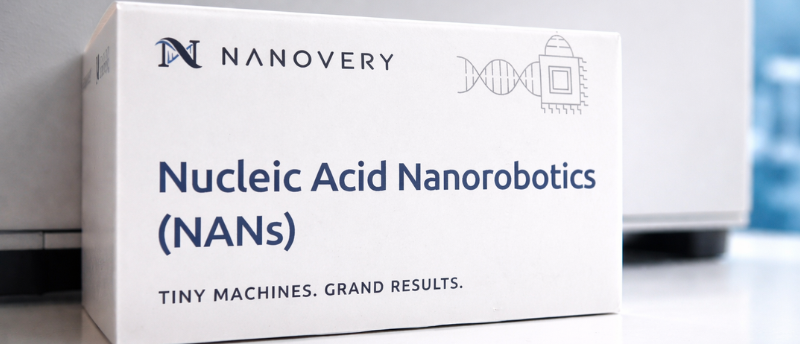
Authors: Cheryl Arrowsmith, Validation Scientist, and Alexander W. Jackson, R&D Director, both Nanovery (Newcastle upon Tyne, UK).
 After obtaining a BSc (Hons) degree in Biomedical Sciences at the University of Sunderland (UK), Cheryl joined Immunodiagnostic Systems (Boldon, UK) as an Assay Development Technician, later progressing to a role as Assay Development Scientist, primarily focusing on the antibody-based detection of 25-hydroxy vitamin D on a closed platform. In 2014, she joined OJ-Bio (Newcastle Upon Tyne, UK), working on a novel, hand-held, nanotechnology-based diagnostic device. In 2015, she joined Arquer Diagnostics (Sunderland, UK), developing a manual ELISA-based diagnostic test for bladder cancer. Over this time, Cheryl has gained skills and experience spanning IVD product development and validation, transfer to manufacturing, risk assessment, and product launch in the UK, EU and US, acting as a customer/distributor liaison and technical support. Since joining Nanovery in 2024, she has been using her experience to lead a novel technology on its journey from feasibility towards a robust and versatile product.
 Alexander W. Jackson received his MChem undergraduate degree from Newcastle University (UK), later joining the group of David A. Fulton to commence his postgraduate studies. His PhD research focused on the synthesis of responsive and adaptive polymeric nanoparticles via the utilization of dynamic covalent bonds. In 2012, he took up a position as a research scientist at the Agency for Science, Technology and Research (A*Star; Singapore) within the Institute of Chemical and Engineering Sciences. During his 8 years in Singapore, he worked on complex polymeric architectures possessing diverse functionality, stimuli-responsive behavior and biodegradability, primarily for nanomedicine applications. At A*Star, he worked closely alongside academic and industrial partners to tackle challenging real-world problem statements. After returning to Newcastle upon Tyne in 2020, he joined Nanovery to build NANs for oligonucleotide detection, specifically for the quantification of miRNA, ASO and siRNA. Alexander’s career has centred around the development of novel and innovative nanotechnologies with an emphasis on intellectual property creation and subsequent commercialization. He currently leads Nanovery’s scientific efforts, focusing on the design of NANs for application in bioanalysis and oligonucleotide therapeutics.
1. Please could you provide a brief summary of your paper?
Cheryl: This manuscript provides evidence of the capability of Nucleic Acid Nanorobots (NANs), a novel technology utilising Toehold-Mediated Strand Displacement (TMSD), to generate results that are not only reproducible in-house, but also at another independent testing site. It demonstrates that this technology could be added to the bioanalysis toolbox and provide utility where other technologies are limited.
Alexander: This body of work demonstrates the tremendous potential of dynamic DNA nanotechnology in the field of antisense oligonucleotide (ASO) quantification. The underlying mechanism behind this technology was invented 25 years ago, but to date, the vast majority of TMSD research is confined to academic institutions, with most detection publications focused on canonical nucleic acid biomarkers. At Nanovery, we have taken TMSD into the realm of bioanalysis and have developed a platform we call Nucleic Acid Nanorobotics (NAN). Within this paper, we illustrate that a NAN assay can quantify an ASO in murine plasma with excellent accuracy and precision across two laboratories. We hope this data conveys the simplicity and robustness of dynamic DNA nanotechnology and its capabilities in oligonucleotide therapeutic development.
2. Can you walk us through the biggest technical hurdles you faced whilst developing the NAN assay?
Cheryl: The novelty of the technology in itself was a challenge. Though we were of course confident that it could be achieved, it was uncharted territory for NANs. There is a lot of work that goes on behind the scenes in readiness for technology transfer. We had to perform several rounds of rigorous testing before being certain that we could guarantee performance in the hands of new users who had never been exposed to this technology.
Alexander: The central challenge was to understand parameters that influence the accuracy and precision of TMSD when deployed directly to murine plasma. When developing a NAN assay for ASO bioanalysis, there were many aspects that needed to be balanced. Naturally, bioanalytical scientists want to use small sample volumes, so we had to understand how this influences usability and robustness. Determining the minimum required dilution for murine plasma was a key consideration; diluting the plasma reduces autofluorescence and matrix interference but comes at a cost to sensitivity. Data analysis was another key factor; we found that a 4-Parameter Logistic fit provided the best results.
3. How does this assay compare to traditional nucleotide extraction-based methods in terms of sensitivity, specificity and overall efficiency?
Cheryl: I’d say it did pretty well, but I am biased of course! The assay’s sensitivity allows it to be competitive in preclinical applications and upcoming improvements will open this up to be more beneficial at later stages of drug development. Due to the mechanisms driving NANs, metabolites with a near-identical sequence to the target, such as N-1 metabolites, can be tricky to distinguish from the parent sequence. This is a known limitation with several of the bioanalysis tools available. However, one of the real strengths of this assay is the workflow — the ability to set up the reaction vials, dispense the replicates onto the plate, start the plate reader and then just walk away makes it a really efficient way to work in the laboratory. The data calculation step is also very simple, which means that little is needed in terms of training requirements.
Alexander: The key benefit of the NAN platform is simplicity. The assay is homogeneous and does not include any washing steps, nucleic acid extraction, magnetic beads, enzymes, microfluidics, nanoparticles, quantum dots or any other components that would unnecessarily introduce additional sources of variability. The assay is comprised entirely of synthetic DNA and can operate directly in biological matrices, which yields a straightforward and accessible workflow. The NAN assay has great sensitivity when compared to LC–MS, although typically metabolites cannot be distinguished. Compared to hybridization ELISA and branched DNA, the NAN assay has comparable sensitivity with greater usability.
4. Could you elaborate on the types of matrix interferences observed during the study and how these were mitigated to ensure assay accuracy?
Cheryl: As with any technology that doesn’t require a lengthy and burdensome extraction step, assay background can be influenced by matrix effects. We opted for a simple data treatment during results calculation that effectively normalises the starting signal baseline and focuses instead on the signal net gain. Our testing showed that repeated measurements of a blank matrix all remained below the LLOQ of the assay.
Alexander: When working in plasma without any extraction protocols, autofluorescence is the main concern. This is chiefly addressed through data analysis; for each microplate well, we subtract initial fluorescence from endpoint fluorescence. This ensures we are only analyzing fluorescence, which was generated through the NAN’s catalytic signal amplification. Additionally, this accounts for any variations in autofluorescence, which can be observed with more heterogeneous clinical samples. Fortunately, matrix interference is really limited to autofluorescence. The NAN platform uses an incredibly robust mechanism, which is minimally influenced by biological components.
5. What are the next steps for this assay and do you foresee the NAN assay being adaptable for bioanalysis of other types of oligonucleotide therapeutics or biologics beyond ASOs?
Cheryl: We’re dying to try this assay out with other ASO modifications and conjugates and see how it fares. Now that we’ve broken new ground, we can’t wait to start building on it. This ASO study was just the beginning; we can apply the foundation of this technology to other avenues in the oligonucleotide therapeutics landscape, and there’s a lot to explore! We’re already taking steps towards similar studies with siRNA and conjugated ASOs, with more targets on the horizon. The oligonucleotide therapeutics field is evolving rapidly, and there is a subsequent need for technology to keep up with the pace. Overall, there are some very exciting directions that we could go in. The sky’s the limit!
Alexander: We are currently collaborating with other therapeutic developers to quantify short ASOs (16–18 nucleotides), antibody & small molecule oligonucleotide conjugates, siRNAs and aptamers. We have found wide compatibility across chemical modifications, conjugates and modalities. Another exciting area is deploying the NAN assay to tissue homogenate, specifically liver, kidney and brain. Our main objective is to ensure the NAN platform retains its simplicity, accuracy and precision when working across the diverse and sophisticated oligonucleotide therapeutic landscape.
Disclaimer: the opinions expressed are solely those of the authors and do not express the views or opinions of Bioanalysis Zone or Taylor & Francis Group.
You can find our full collection of Authors Perspectives here >>>