
The results are in: hybridization LC–MS vs LBA for oligonucleotide bioanalysis

Aliri Bioanalysis (CO, USA) has released new data from the Oligonucleotide Ring Trial, and the results point to a decisive performance edge for hybridization LC–MS over traditional ligand binding assays (LBA).
Aliri Bioanalysis, a leader in precision bioanalytical solutions, has recently announced transformative findings from the Oligonucleotide Ring Trial, which could set a new standard for therapeutic oligonucleotide bioanalysis. The study, involving 10 labs, compared LC–MS, LBA and qPCR for quantifying three distinct types of oligonucleotides in biological samples: an antisense oligonucleotide (ASO) known as Fomivirsen, a GalNAc-conjugated small interfering RNA (siRNA) called Lumasiran, and a phosphorodiamidate morpholino oligomer (PMO) named Viltolarsen.
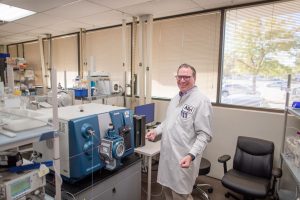
Troy Voelker, Senior Laboratory Director at Aliri and Chair of an industry leading, multi-lab Oligonucleotide Discussion Group, led the development of LC–MS methods for analyzing the PMO (Viltolarsen). The analysis was conducted using three advanced mass spectrometry platforms: a QExactive, a time-of-flight (TOF) instrument, and a triple quadrupole system.
Among the standout findings, Aliri reported:
- Lower sensitivity: Achieved 0.1 ng/mL LLOQ on the triple quadrupole.
- Higher specificity: Demonstrated across all LC–MS platforms.
- No metabolite interference: Ensured clean, reliable data.
- Unmatched accuracy: Observed on the QExactive platform.
- Wide dynamic range and high throughput: Delivered across all LC–MS platforms.
These results confirm that hybridization LC–MS surpasses LBA in both sensitivity and specificity, while offering shorter method development timelines—just 3 weeks compared to LBA’s 3 months, which add to its appeal for programs requiring rapid, high-confidence PK decisions. TOF data, still being processed, is expected to expand further on sensitivity performance.
You may also be interested in:
- Harmonizing physiochemical profiling for therapeutic oligonucleotides: an interview with Kohsaku Kawakami
- Panel discussion: bioanalytical considerations for oligonucleotide assessment strategies
- Infographic: LC–MS analysis of oligonucleotides: a comprehensive guide
According to Aliri, the implications for drug developers are significant. The method offers sub-nanogram detection limits that were once achievable only through LBA, yet retains the structural selectivity and confirmatory power of mass spectrometry.
“It’s exciting that drug developers now have clear data confirming the advantages of hybridization LC–MS over LBA for the bioanalysis of therapeutic oligonucleotides,” commented Troy.
“I’m looking forward to seeing the industry trend toward greater adoption of this highly effective strategy and proud of the unmatched leadership that Aliri offers customers in this area.”