Sapient introduces tumor protein mapping platform
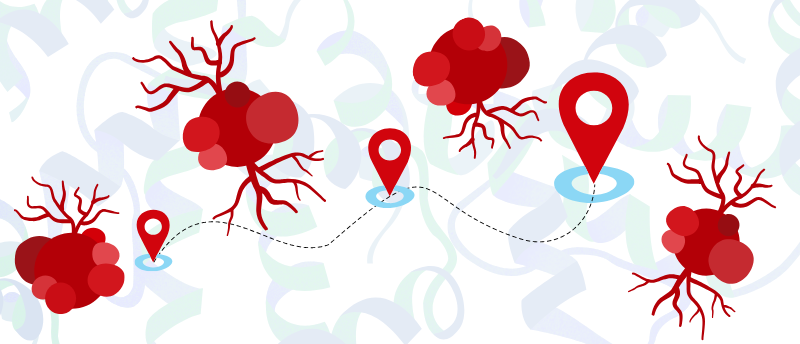
Sapient has launched its Tumor Protein Mapping Platform, offering a powerful suite of workflows to decode functional tumor biology across four critical dimensions: druggable surface proteins, phosphorylation-driven signaling pathways, immune microenvironments and therapeutic resistance mechanisms.
Sapient (CA, USA), a leader in multi-omics data generation, announced the launch of its Tumor Protein Mapping Platform, featuring workflows like SurfaceSeek™, SignalingSeek™, ImmuneSeek™ and ResistanceSeek™, which provide insights into tumor biology using both fresh-frozen and FFPE human tumor samples. By employing advanced mass spectrometry, the platform enables precise characterization of tumor biology, enabling drug developers to make evidence-based decisions.
Understanding tumor biology is critical for developing effective cancer therapies. Tumors are complex systems where surface protein accessibility, signaling pathways, immune responses and resistance mechanisms interact to influence therapeutic outcomes. Sapient’s platform addresses the limitations of genomic inference by directly measuring these dimensions at the protein level, unlocking new opportunities for precision oncology. Another major advantage is that these workflows are optimized for both fresh and archived tumor samples, making them applicable to vast biorepositories that have already been collected.
Historically, FFPE samples have been difficult to study because preservation methods can alter protein structure. As a result, they have remained underused for functional analysis. However, advances in mass spectrometry are changing that. Rather than relying on a single layer of data, Sapient’s approach combines multiple dimensions, such as cell surface markers, immune signals and pathway activity, to build a more complex picture of tumor biology.
The platform’s principal workflow, SurfaceSeek™, identifies and validates druggable tumor cell surface proteins with peptide-level resolution, enabling the discovery of targets for ADCs, T-cell engagers and radioligand therapies. The additional workflows extend these insights: SignalingSeek™ maps phosphorylation-driven tumor signaling pathways, ImmuneSeek™ characterizes active immune pathways that are involved in therapeutic suppression or response, and ResistanceSeek™ identifies protein networks driving tumor adaptation to therapeutic pressure.
“Tumors are not defined by a single biological dimension. They are complex and changing systems where surface target accessibility, signaling pathway activation, immune function and resistance mechanisms all interact to determine therapeutic outcome,” stated Mo Jain, Founder and Chief Scientific Officer at Sapient. “By mapping each of these dimensions directly at the protein level, we give drug development teams a comprehensive, unified view of what is actually governing drug response – moving oncology development beyond genomic inference alone, adding new layers of insight derived from the direct measurement of dynamic human tumor biology.”
By shifting the focus from genetic potential to functional activity, protein mapping offers a more holistic view of tumor dynamics, equipping researchers with actionable insights that could accelerate drug discovery and improve treatment outcomes.